I’ve covered enough game launches to know that a hit can still be rough around the edges, but Palworld’s early days were a special kind of wild. Pocketpair’s monster-collecting survival adventure came out of the gate with guns blazing, racking up unforeseen success while kicking up a hornet’s nest at the same time. On one side, players were debating whether its creatures looked a little too cozy with Pokemon; on the other, Xbox players were discovering that their version of the game was missing features Steam players were already enjoying. Writing in 2026, I look back at that split as a textbook case of platform certification growing pains—and a reminder that ‘same game’ doesn’t always mean ‘same build.’
For me, the headline was multiplayer. Steam players could create 32-player dedicated servers, while Xbox players were limited to four-player co-op. That’s not a small gap. If you’re a solo player, maybe it’s no skin off your nose, but for groups trying to build a shared base and wrangle Pals together, it changed the whole experience. Palworld launched day one on Xbox Game Pass and was a limited-time console exclusive, so plenty of players jumped in through Microsoft’s door first. Then they found out the door opened into a smaller room.
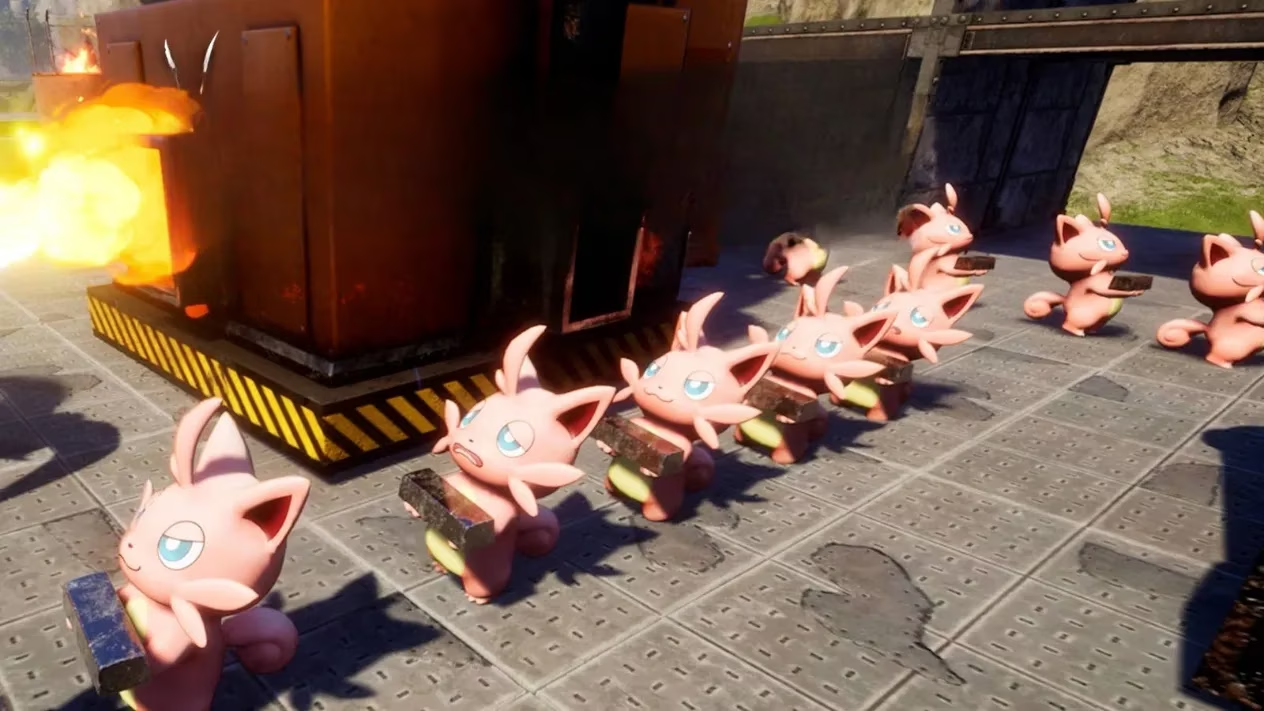
I’d be lying if I said the Pokemon resemblance conversation didn’t matter. Almost as soon as the game released, players began pointing out that many of Palworld’s creatures looked suspiciously similar to Pokemon, which added fuel to an ongoing debate about AI and plagiarism. Some people stopped playing altogether, declaring they would not support such blatant cloning of Game Freak’s IP. Others defended the game that got dubbed ‘Pokemon with guns,’ saying Palworld was a better representation—copied or not—of what adult gamers wanted from their monster-collecting experience. That argument got loud, and it still echoes in 2026 whenever a new survival game borrows a familiar silhouette.
But the feature gap was its own drama. The multiplayer limitation was the most obvious difference, yet it wasn’t the only one. Steam players could name their characters, rename their Pals, and even enjoy faster crafting. The Xbox version was missing some sound effects too. Here’s the scorecard I wish more players had seen upfront:
| Feature | Steam | Xbox |
|---|---|---|
| Dedicated servers | 32-player support | No 32-player dedicated servers |
| Co-op cap | Larger-scale server play | Four players |
| Character naming | Yes | No |
| Rename Pals | Yes | No |
| Crafting speed | Faster | Slower |
| Sound effects | More complete | Some missing |
| Patch timing | Faster hotfixes | Certification queue |

According to Palworld community manager Bucky, the root cause was speed bumps in Microsoft’s certification process. When a fan asked about a hotfix for some issues, Bucky replied that fixes had already been pushed out on Steam two days earlier while, for Xbox, the patch was still ‘sitting in MS’s certification queue.’ Bucky emphasized that the team was ‘really at the mercy of certification here,’ and that Pocketpair was trying to make things happen more quickly. I’ve heard that song before, and it’s never music to players’ ears.
Bucky also pointed out that there were two distinct builds of Palworld: Xbox and Steam. Even if the version numbers matched, that wouldn’t mean they were the same build. The Xbox build wasn’t necessarily lagging behind Steam in every way, Bucky clarified; a console version missing a feature might simply reflect that platform’s specific architecture. In time, the goal was to bring both versions to the exact same place, at which point cross-platform play would become possible. That’s the dream, anyway: one Palworld, one community, no platform-shaped asterisk.
Writing in 2026, I’m not here to pretend the patch ledger is frozen in amber. Specific version numbers have moved on, and I don’t have a fresh certification queue in front of me. But the structural lesson hasn’t changed: certification can turn a shared release into a two-tier experience, and players feel that gap fast. Here’s what I take away:
-
⚙️ Certification is a bottleneck, not a magic wand. It protects platforms, but it can also slow fixes to a crawl.
-
🎮 ‘Same game’ is a marketing phrase. Under the hood, builds can differ in features, sound, and performance.
-
🧾 Patch notes without platform context can feel like gaslighting. Players notice when Steam gets the hotfix first.
-
🐾 The Pokemon comparison debate isn’t going away. Palworld’s success made sure of that.
-
🌐 Cross-platform play is the endgame, but feature parity has to come first.
I still think Palworld’s launch was a hell of a ride. It was messy, loud, and impossible to ignore—like a Pal that wandered into a base and knocked over every chest. But the Xbox-versus-Steam split was a real headache, and I’m not going to sugarcoat it. In 2026, the takeaway is simple: players will forgive rough edges if you keep them in the loop. What they won’t forgive is feeling like they bought a ticket to the same show and got seated in a different theater.
Loading comments...