By 2026, the Palworld conversation has moved past the initial shock and into a more interesting phase. The game's early-access debut—often reduced to 'Pokémon with guns'—turned into a smash hit, and its shadow still falls over any discussion of Pokémon Legends: Arceus and whatever sequel or half-sequel might follow. The comparison is not a clean mirror. It is more like two climbers approaching the same summit from opposite ridges: one game is a survival sandbox where players build, craft, capture, and sometimes sell Pals; the other is a monster-taming RPG that pushed the Pokémon formula toward open zones and greater player agency. The overlap matters because a new Legends project will be judged against Palworld whether Nintendo wants that or not.
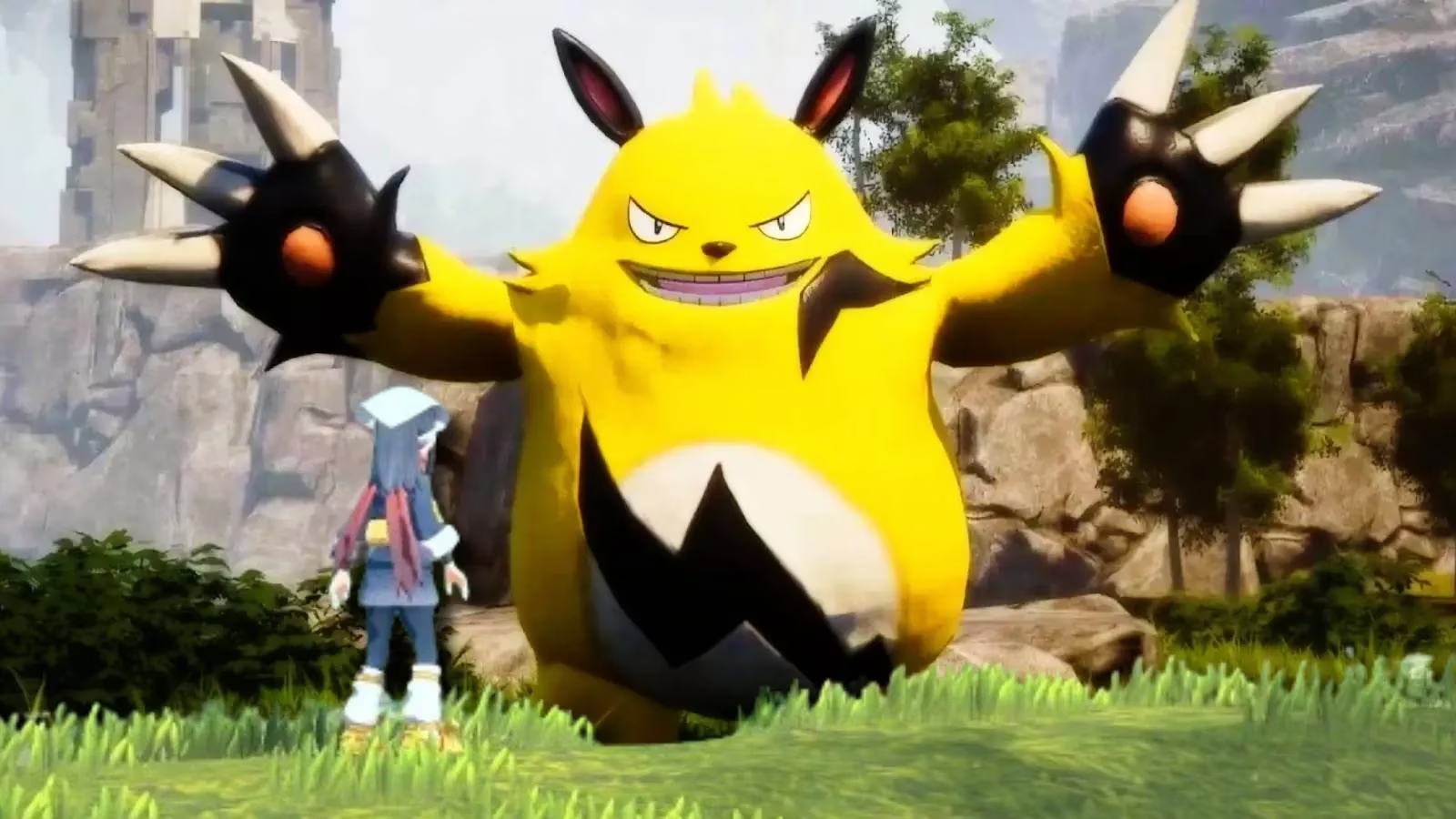
Why the comparison refuses to die
Palworld's open world can be rich and rewarding to explore, and the survival approach actively entices players to do exactly that. In Pokémon, battling with critters and training them tends to be the main focus. Palworld spreads its attention across structures, encampments, resource gathering, and even using Pals as labor or merchandise. That difference is real, but it is also the reason comparisons keep returning. A possible Legends sequel could adopt more crafting, more base-building, or more systemic uses for creatures, and the shared open-world frame would make every similarity and difference easier to spot.
| Dimension | Palworld | Pokémon Legends: Arceus |
|---|---|---|
| Core loop 🎮 | Survival, crafting, base-building, capture, resource use | Exploration, catching, battling, training |
| Open world 🧭 | Broad survival sandbox | Open zones with a hub structure |
| Player agency ⚖️ | High, including direct combat and base management | Higher than most mainline games, but still catch-focused |
| Catching style | Weaken with weapons, then capture | Stun with items, then use Poké Balls |
| Creature role | Labor, combat, resources, commerce | Partners, battlers, collection targets |
What a Legends sequel could borrow—and what it should avoid
Pokémon Legends: Arceus is not a survival game in the traditional sense. The closest elements are crafting and wild Pokémon attacking players. Still, a sequel could explore those aspects further, or a spin-off could make catching Pokémon less of a single-minded goal. If that happens, Palworld comparisons will follow like a funhouse mirror that flatters one game while stretching the other out of shape. The catching loop is already a natural flashpoint: Palworld lets players use weapons to chip away at a creature's health and then capture it, while Arceus leans on thrown items such as Sticky Globs to stun wild Pokémon before using Poké Balls. A full weapon-based combat system in a Legends game would break a major Pokémon tradition, since the mainline series has never let players directly harm wild creatures. But Arceus did increase player agency compared with most mainline games, and that agency is exactly where the analogy can turn against Nintendo's property.
The scrutiny will be mutual
There may be comparisons between the next Legends game and Palworld in open-world approach, gameplay mechanics, character creation, and even critter designs. Palworld has faced accusations that it 'stole' Pokémon designs, and a new Legends game would likely face the same scrutiny from the other direction, even if Nintendo has no reason to go that route. More importantly, any major change to how a Legends game flows—survival elements, crafting depth, or adjustments to the classic Pokémon formula—may draw unwanted attention to how Palworld handles all of it. The comparison becomes a campfire built beside a railway: useful and warm for onlookers, but every passing train throws sparks at it.
The healthy takeaway
Palworld is not the be-all, end-all of monster-taming games. Its hype has made the Palworld versus Pokémon controversy easy for many players to dismiss because Pocket Pair's title is enjoyable regardless of where its Pal designs may come from. That is precisely why the competition is useful. Pokémon games have been innovating with recent entries, and a little rivalry can sharpen that instinct. A Legends sequel should not copy Palworld wholesale, but it also cannot pretend the survival sandbox does not exist. In 2026, the smartest move is to watch both games as a conversation—not a court case—and let players decide which lessons actually fit. 🎮
Loading comments...