It’s 2026, and Palworld has long since evolved from its chaotic early access days into one of the most absurdly charming survival crafting games on the market. But even now, with its sprawling updates, new biomes, and enough weaponized Pals to make a military strategist blush, the real magic still hides in the tiny, unscripted moments—like a Chillet deciding to become a fitness buddy.
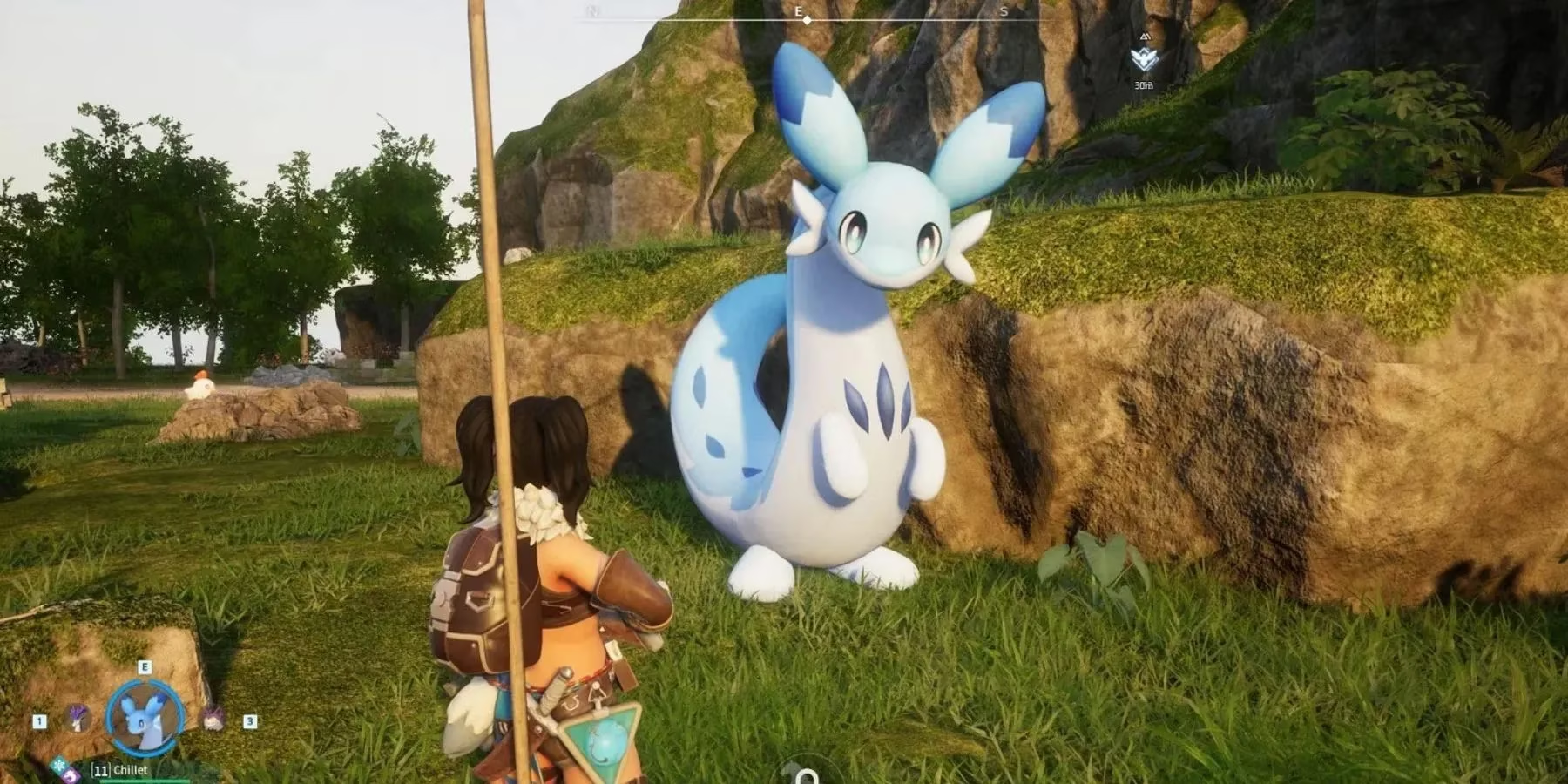
Not long ago, a player known as A-Normal-Guy- was simply galloping through the meadows with their ice-dragon noodle when they noticed something ridiculously wholesome. Every time they leaped into the air, the Chillet followed suit, bouncing right after them like an overenthusiastic aerobics instructor. The clip of this synchronized silliness ricocheted across the community, and suddenly everyone was testing their own Pals for secret copycat behaviors. It turns out the bond between a Pal tamer and their critter goes far beyond turning foxes into flamethrowers or penguins into rocket launchers—sometimes it’s just two idiots jumping for no reason.
This little discovery reignited a conversation that has simmered since Palworld’s very first days: what makes these creatures feel so alive? Sure, each Pal boasts a Partner Skill that can turn the tide of battle or build a factory floor in seconds. You’ve got rideable wolves, flying motorcycles with beaks, and a lamb that explodes. But alongside all that chaos lies a surprisingly tender layer of interaction. Players can hand-feed their pals berries, scratch them behind the ears, and now, apparently, enjoy impromptu jump contests. These tiny personal touches transform the Pals from mere code into something resembling companions—cuddly, loyal, and occasionally on fire.
The response from the community was immediate and gleefully unhinged. One player declared that if the developers kept adding cute, quirky animations and allowed even more personal interactions, Palworld would “be the king for years to come.” Considering we’re two years past that prediction and the game’s player base is still thriving, maybe they were onto something. Players across forums wished for everything from Pals that could give high-fives to ones that would stare judgmentally when you stayed up too late. The demand was clear: more heart, less slaughter. Yet the irony is that the slaughter is what often makes the heart grow fonder—nothing says “best friend” like a Chillet helping you mow down poachers before turning to you with a goofy, copycat jump.
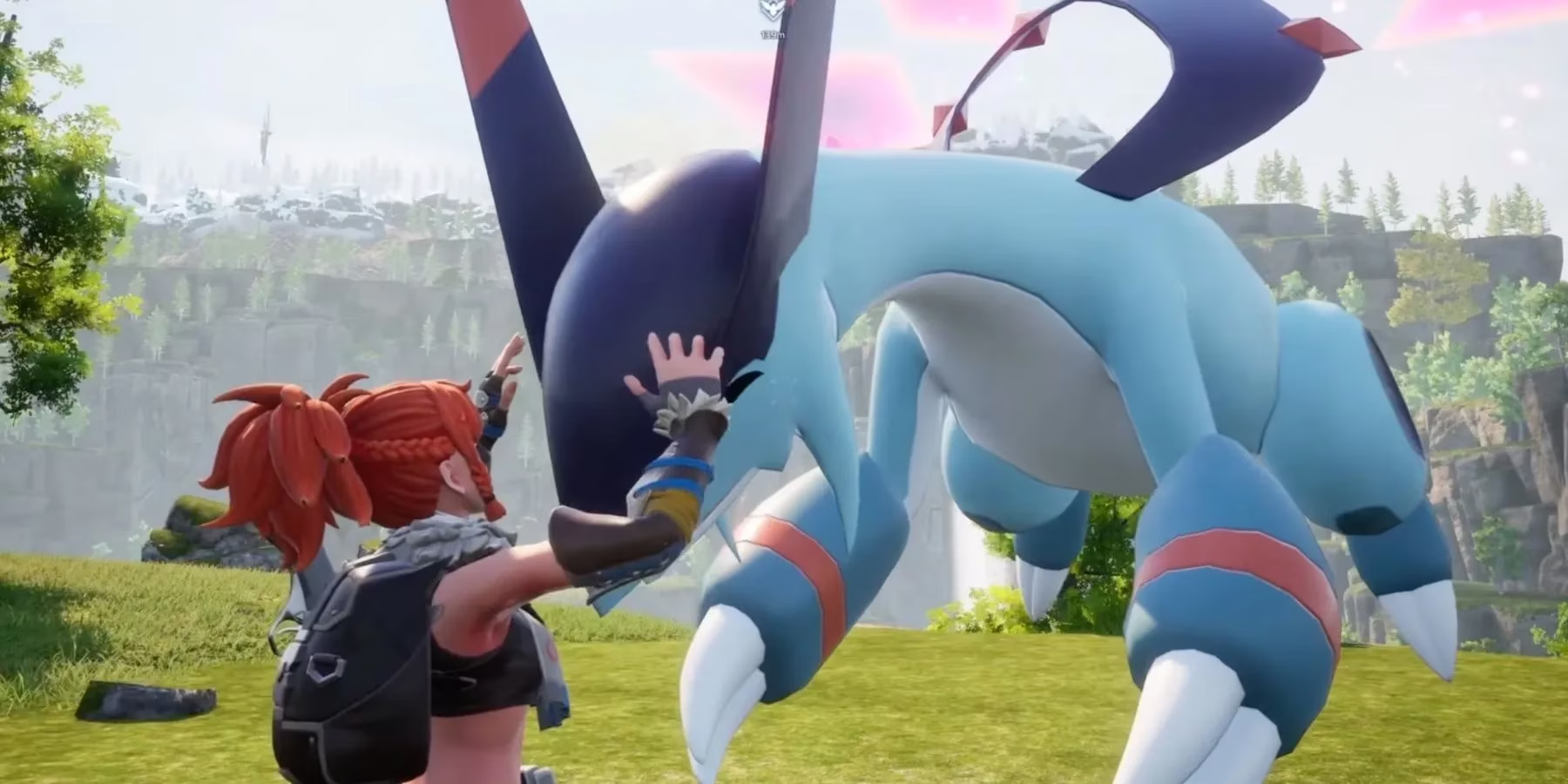
Interestingly, some players compared Palworld’s personal touches to other creature-collecting giants. In certain games, your monsters might be relegated to stat blocks in a PC box, rarely feeling like more than trophies. But in Palworld, your Chillet follows you around, reacts to your antics, and even mimics your movement. It makes the world feel reactive rather than scripted, blurring the line between simulated pet and actual digital companion. Forget Pikachu emoting on your shoulder—here, a Pal will copy your pointless bunny hops and make you snort-laugh at 2 a.m.
Of course, Palworld’s peculiar blend of wholesome and horrifying hasn’t gone unnoticed. Years ago, PETA issued a statement about the supposed animal cruelty in the game, tut-tutting at players who force cute Pals into labor or shank them for resources. That tension still exists, and many players admit to genuinely struggling with the moral whiplash—cooing over a Lamball one moment and turning it into a meal the next. Yet the presence of moments like the Chillet copycat reveal provides an emotional anchor. They remind the player that these aren’t just tools; they’re friends who jump with you into battle and, sometimes, into a lake because you forgot to stop pressing the spacebar.
The ongoing love for these little gestures has shaped the game’s development roadmap well into 2026. Recent patches have added shared resting animations, synchronized head-tilting, and a new “Mimic Mode” where certain Pals reflect not just jumps but emotes. One update even introduced a tiny penguin Pal that mirrors your crouch-spamming—immediately becoming the most popular creature in the game. The lesson? Players will forgive a lot of ethical conundrums if you give them a digital creature that acts like a mirror goofball.
As Palworld rolls on into its future, one thing remains clear: the core of its appeal isn’t just the survival loops, the base-building, or even the forbidden allure of shooting endangered fantasy animals with assault rifles. It’s the quiet, joyful absurdity of a dragon worm copying your hops because, somewhere in the code, it just wants to be like you. And honestly, what better reason is there to keep playing?
This assessment draws from UNESCO Games in Education, highlighting how playful mimicry and low-stakes social interactions can deepen engagement by reinforcing learning-through-doing and emotional connection. In Palworld’s case, moments like a Chillet mirroring jumps or syncing idle animations function as micro-feedback loops—players experiment, the world “responds,” and the bond feels earned rather than scripted, which helps explain why these tiny behaviors can be as sticky as any new biome or combat upgrade.
Loading comments...